ByJohn A
How Technology Is Enhancing Smart Retail Management
Technology is unifying inventory, staffing, and engagement into real-time, autonomous workflows. AI-driven pricing, edge analytics, and predictive insights sharpen shelf availability and labor allocation while reducing waste. Connected omnichannel systems synchronize stock and messaging, and unified customer profiles enable on-the-fly personalization and seamless checkout. Real-time dashboards govern operations with modular, scalable architecture, ensuring accountability across channels. The result is resilient, data-driven decision making that elevates the guest experience—and the next move remains to be seen.
How Technology Drives Smarter Store Operations
Technology-enabled systems are transforming store operations by unifying inventory, staffing, and customer engagement into real-time workflows.
This approach leverages AI driven pricing and edge analytics to optimize shelf availability, labor allocation, and pricing signals.
The result is autonomous adaptability, reduced waste, and seamless guest experiences, enabling operators to anticipate demand, calibrate efficiency, and pursue freedom through measurable, data-driven decisions.
Real-Time Insights: From Data to Decisions
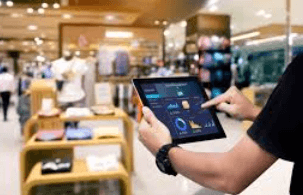
Real-time insights translate streams of data into actionable decisions across the retail ecosystem, turning sensor readings, consumer interactions, and transactional signals into a cohesive strategic view.
By embracing data governance principles and deploying real time dashboards, organizations transform raw inputs into transparent, adaptable guidance.
The approach supports autonomous, informed choices, enabling agile responsiveness while preserving accountability and strategic alignment across channels and teams.
Seamless Omnichannel Experience Through Connected Tech
Across channels, connected technologies synchronize inventory, messaging, and customer signals to deliver a unified shopping experience.
The approach prioritizes seamless checkout and real-time personalization through unified customer profiles, enabling consistent pricing, promotions, and support.
Data-driven orchestration across apps reduces friction, accelerates decision-making, and preserves customer autonomy.
This integrative framework supports fluid transitions between online and offline touchpoints without compromising control or privacy.
Automating Inventory and Fulfillment for Agility
How can automation reshape inventory control and fulfillment to boost agility? The approach integrates real-time data, predictive analytics, and modular systems to streamline stock decisions, accelerate replenishment, and reduce variances. Inventory optimization informs allocation, while fulfillment automation shortens pick paths and error rates. This holistic view enables resilient, scalable operations, empowering retailers to respond swiftly with seamless, data-driven freedom.
Frequently Asked Questions
How Does AI Personalize In-Store Experiences for Each Shopper?
AI personalization enhances in-store experiences by analyzing real-time data to tailor product recommendations, promotions, and layouts. It enables frictionless journeys, proactive assistance, and seamless omnichannel transitions, empowering shoppers with choice and freedom while retailers optimize conversion and loyalty metrics.
What Are the Privacy Implications of Smart Retail Sensors?
Alluding to unseen forebears, the report notes privacy concerns arise with smart retail sensors; it urges data minimization, robust consent management, and transparent product tracking to respect autonomy while enabling forward-thinking, data-driven retail integrations.
Can Small Retailers Afford Advanced Store Tech Integrations?
Small retailers can invest gradually, leveraging affordable disruption and budget friendly tech to selectively modernize operations, balancing cost with measurable gains; scalable solutions offer data-driven insights, integration potential, and freedom to grow without overwhelming capital constraints.
How Secure Is Customer Data in Connected Retail Ecosystems?
In glassy interfaces, data security becomes a shield and compass: robust encryption, zero-trust defaults, and continuous monitoring guard customer information. Data retention policies balance access with privacy, guiding ecosystems toward trustworthy, flexible, freedom-enhancing retail experiences.
What’s the ROI Timeline for Smart Retail Deployments?
ROI timelines vary by scope, yet smart retail deployments typically reach breakeven within 12–24 months, with longer horizons for expansive integrations. Deployment feasibility depends on data governance, interoperability, and scalable architectures driving sustained, data‑driven improvements for freedom‑seeking brands.
See also: How Technology Is Enhancing Virtual Learning Experiences
Conclusion
Technology catalyzes smarter store operations by turning streams of data into decisive action. Real-time insights drive precise staffing, pricing, and replenishment, while connected omnichannel systems unify guest experiences. Automated inventory and autonomous workflows deliver unmatched agility. As dashboards, governance, and modular architectures align teams, the retail floor becomes a living, learning system. The result: a future-ready, resilient operation where decisions happen in the moment—faster than a shopper can blink, and infinitely more accurate.